
The Retention Trap - Why Shopify Brands Can't Email Their Way to Repeat Purchase
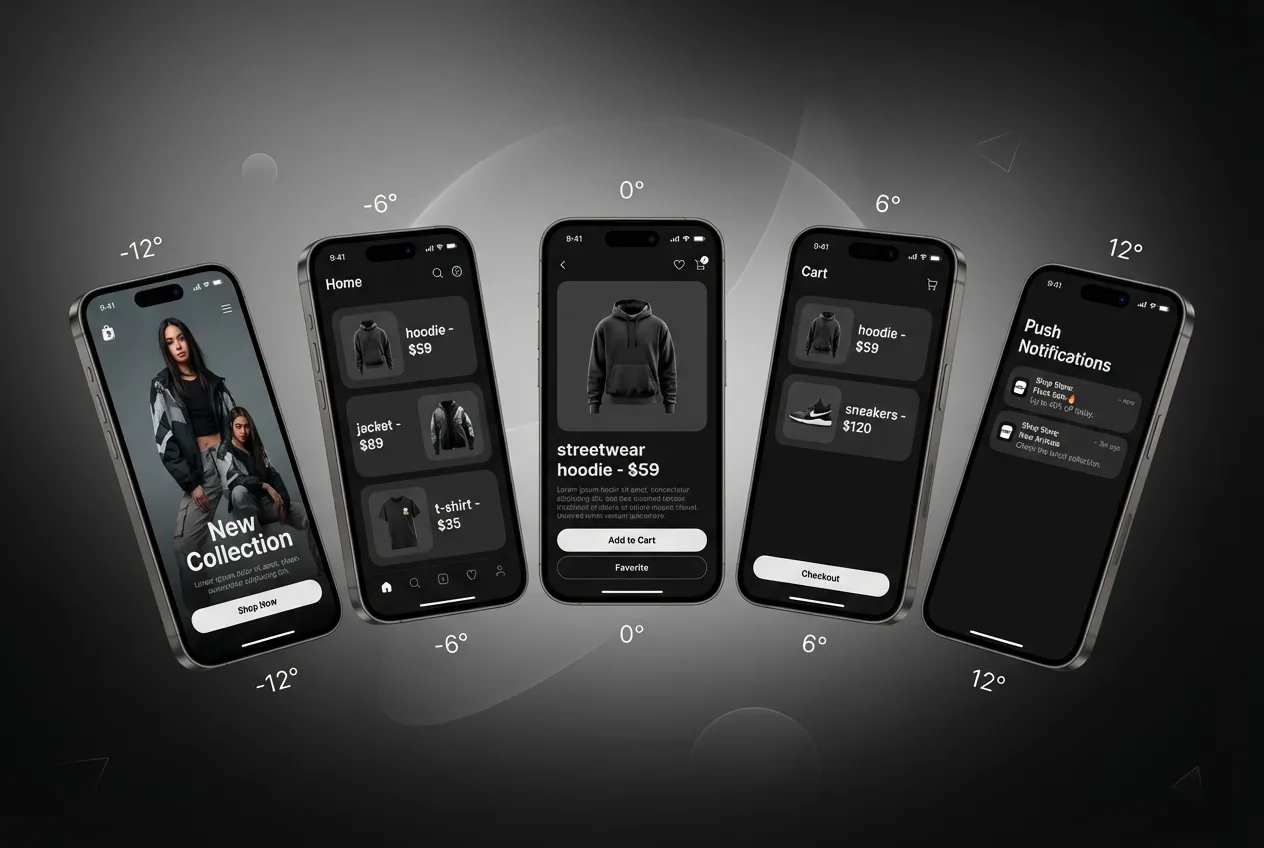
Describe it, preview it on your phone, ship it.
Start building free →The growth flywheel that worked for the last decade is breaking. Acquire on Meta and TikTok, retain on Klaviyo, repeat. The numbers stopped working sometime in 2024 and they haven't recovered. Blended CAC for DTC brands is up around 60% over five years and the bulk of that increase came in the last 24 months. Average ROAS sits near 2.87 to 1, which means most brands are losing money on the first transaction and praying for a second.
The textbook answer to that math is "increase retention." That's correct, and it's also where most brands hit a wall. The retention rate for DTC stores has been stagnant near 28% for years. Klaviyo flows are tuned, the post-purchase emails are written, the win-back campaigns are running, and somehow the curve isn't moving.
Here's the uncomfortable diagnosis: email and SMS don't influence whether a customer uses the product. They influence whether the customer hears from you. Those are different problems, and the second one is solved.
Where the retention conversation actually stalls
If you sell something a customer uses every day — a supplement, a skincare regimen, a workout protocol — the question that determines your repeat purchase rate isn't "did they read the email?" It's "did they take it on day 14? Day 30? Day 60?"
Most brands have no idea. The signal they have is "did they reorder," which arrives after the behavior has already collapsed. By the time the win-back email goes out, the bottle has been sitting on a shelf for three months, the routine fell apart, and the customer's mental model is "I tried that thing and it didn't really work."
That's not a copywriting problem. The product probably did work — but the customer didn't use it consistently enough to find out. And the marketing stack you've built has no leverage over the consistency.
Why the channel mix doesn't fix this
Adding more email lifts open rates by single digits. Switching to SMS gets you a temporary boost on novelty. Loyalty programs help if you're mature enough to operate one. None of these change the underlying problem, which is that the customer's daily relationship with the product is happening offline, in a bathroom or kitchen or gym, and you have no presence there.
Mobile is the obvious fix and most brands have known it for years. 79% of Shopify traffic is mobile. Conversion on that traffic is 2 to 3x lower than on desktop. Push notifications outperform email by an order of magnitude on direct response. The catch is that "having a mobile app" historically meant either paying $30k a year for Tapcart and getting a wrapped storefront, or paying $200k for a custom build and waiting six months. Neither option pencils out for most brands.
So the conversation has been: "we know mobile matters, we can't justify the cost, here's another Klaviyo flow." That tradeoff is the trap.
What actually moves the retention number
The brands we've watched move their repeat purchase rate above 40% have something in common: their app, when they have one, isn't a storefront. It's a usage layer.
A jaw fitness brand doesn't ship a mobile catalog. They ship a workout tracker that happens to sell more devices when the user hits a streak. A supplement brand doesn't ship a product list. They ship a stack builder and an adherence tracker that happens to trigger replenishment exactly when the bottle goes empty. A skincare brand doesn't ship a product carousel. They ship a routine builder that tracks regimen consistency and educates on layering.
In every case, the app is doing work the email can't do. It's present at the moment of use, it sees the actual behavior, and it has a reason to be opened that has nothing to do with shopping. Reorders are a side effect.
The math that justifies the shift
When usage becomes a measurable variable, the retention conversation changes shape. Instead of "did this email get opened," the question becomes "what percentage of customers logged use on day 14, and how does that correlate with reorder rate?" That's the kind of cohort analysis that lets you actually move the curve, because you can A/B test interventions against a leading indicator.
Industry data on mobile-app-driven retention varies wildly depending on how it's measured, but the ranges we've seen in published case studies put the lift somewhere between 80% and 300% on repeat purchase rate when the app is genuinely habit-forming, not when it's just a faster checkout. The variance comes down to whether the app is built around the product's daily ritual or around its catalog.
What to do with this
If your retention rate is stuck and you've already optimized your email program, the next layer isn't more email. It's a daily-use surface that lives on the customer's home screen, sees the actual product usage, and triggers the reorder when the supply runs low instead of when a calendar in Klaviyo says to send a reminder.
That used to require a six-month engineering project. It doesn't anymore. The reason we built Fastshot's ecommerce product was specifically to make this layer accessible to a Shopify brand without a mobile team — generated from a prompt, integrated with the Shopify backend you already have, deployed to the App Store and Google Play without a dev cycle.
The retention trap is real, but it's not unsolvable. The brands escaping it are doing so by building the layer email was never going to replace.
Build it, don't just read about it
Describe the app you want and Fastshot generates real React Native code you can preview on your phone and ship to the App Store. No credit card to start.
Build my mobile app →